Feather Field Studies FFS
No one asks a painter what their end goal is. You paint because you are compelled to express yourself and explore a medium and your relationship with it and thereafter, with audiences. This is enough. FFS.
I am Duane King and these are my field studies. The field is computation made physical. The study is ongoing. Not what gets shipped — what gets learned, what gets worn, what gets held, and what remains.
Hardware as medium. Firmware as material. A practice at the threshold between embedded systems and considered form — where the constraint is the aesthetic and the pixel is the unit of meaning.
Journey
—
Question
↓
Open Source Reference
↓
EDA Learning Curve
↓
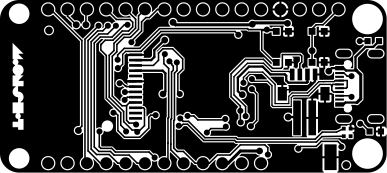
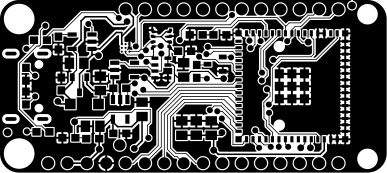
Board Design
↓
Manufacturing Files
↓
Factory Review
↓
Parts Sourcing
↓
Revision ← Repeat
↓
Assembly
↓
First Power-On
Roadmap
—
Adafruit TFT Feather
Adafruit TFT Feather LEGO
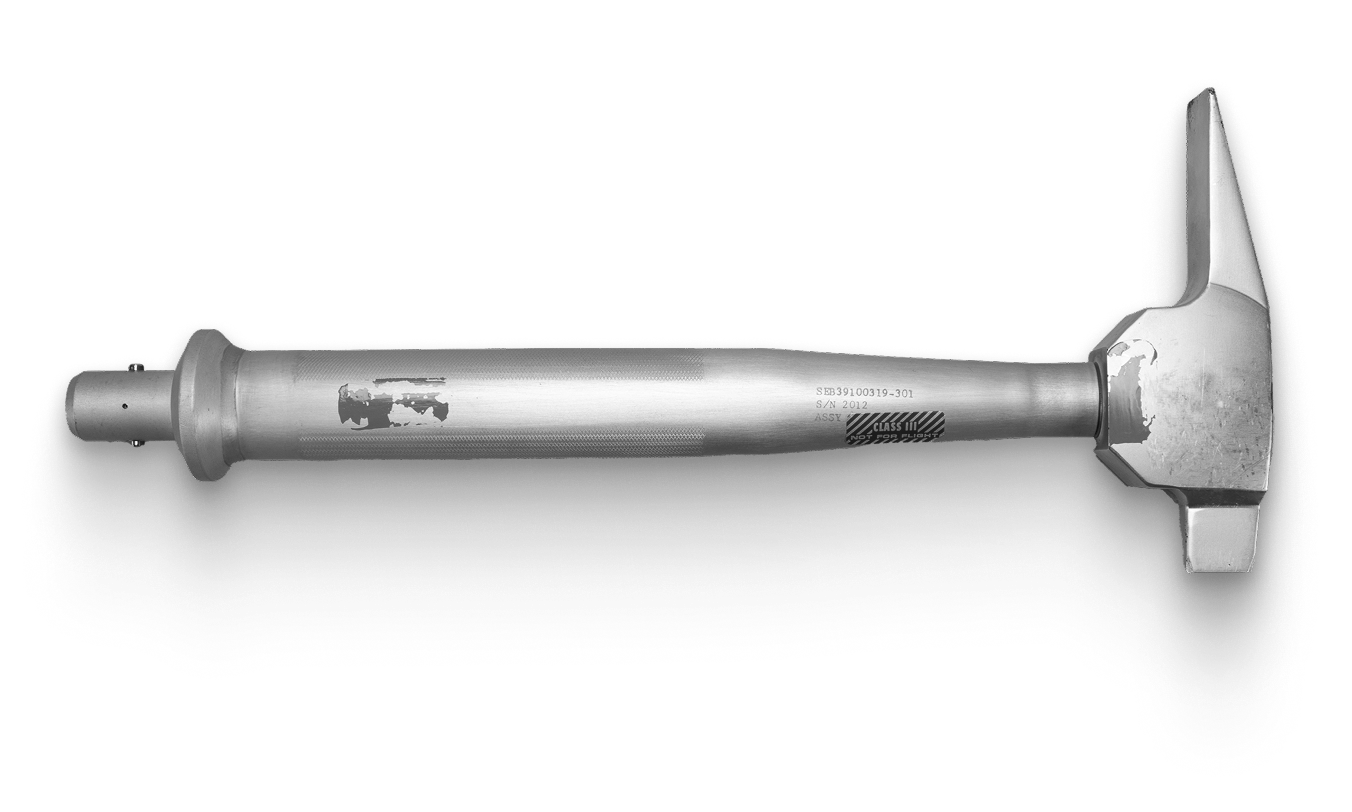
Feather Hammer v1 TFT
Feather Hammer v1 TFT LEGO
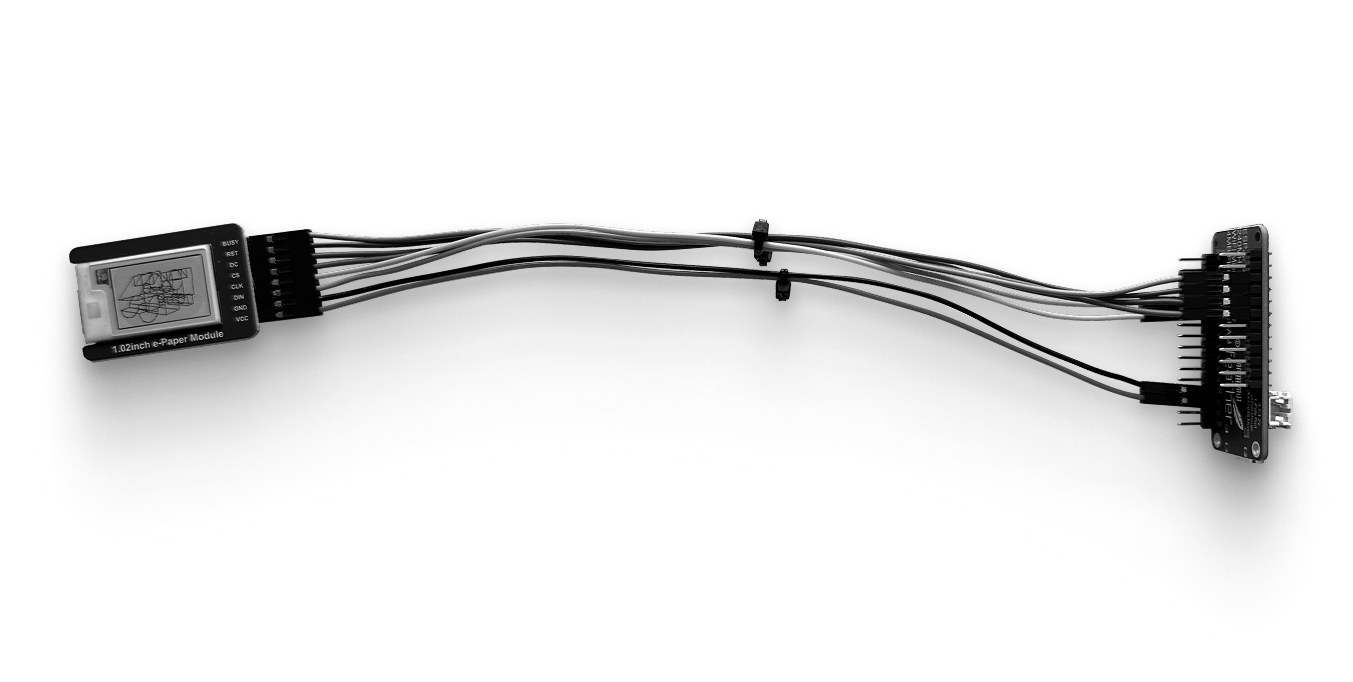
Feather Hammer v2 E-Ink
Feather Hammer v2 E-Ink LEGO
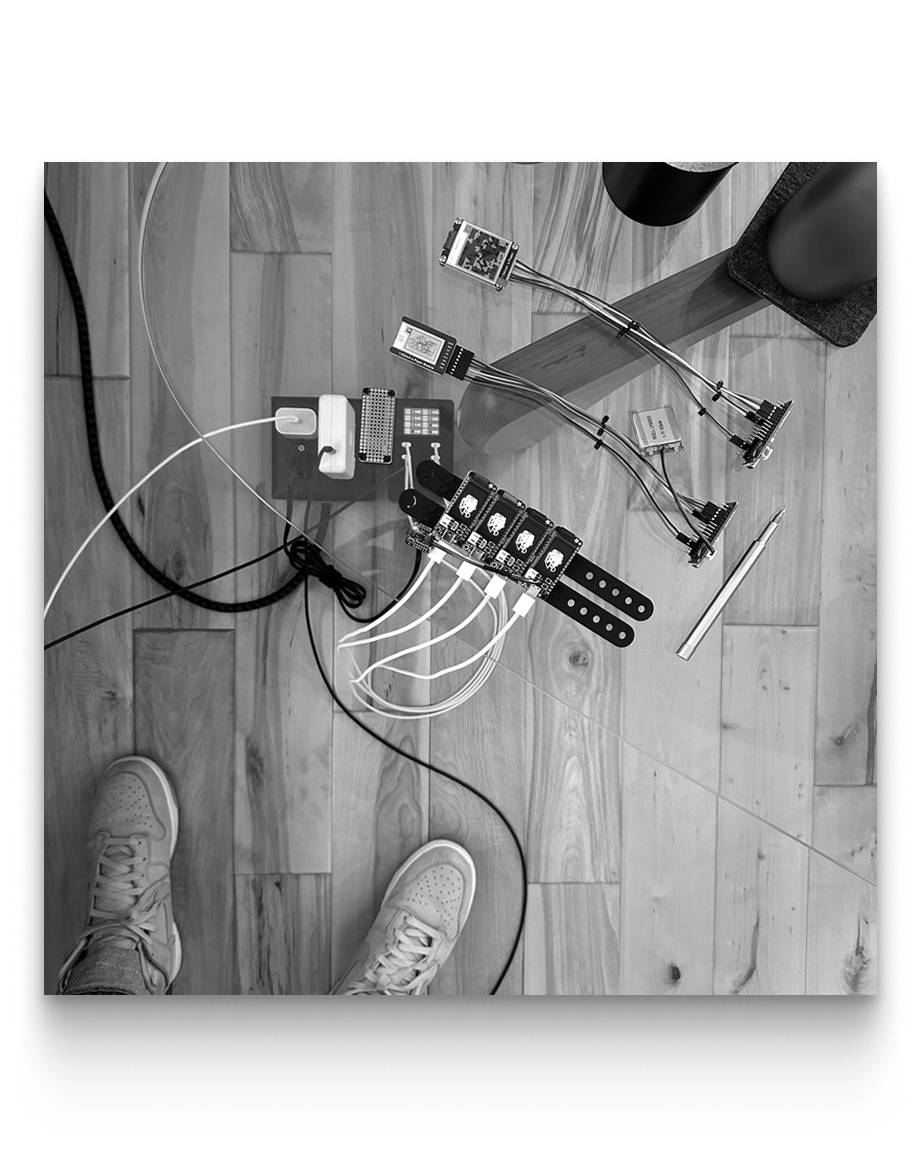
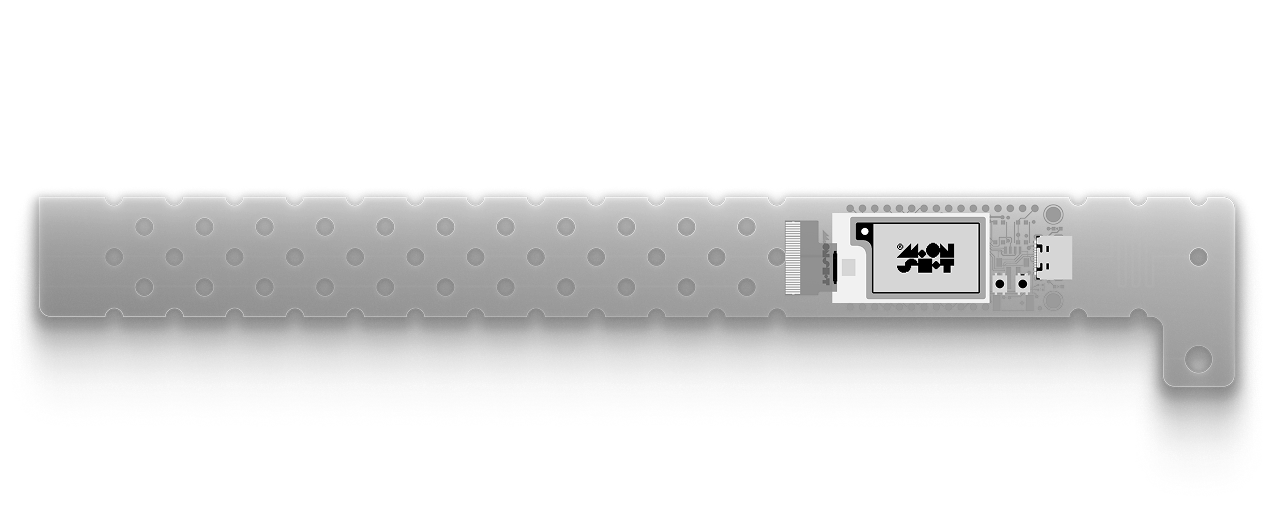
Feather Hammer v3 PCBracelet